M
Mold Remediation
Containment, negative air, removal of affected materials when needed, and detailed cleaning to address active mold growth and help prevent it from returning.
Serving Overland Park, Kansas & surrounding areas
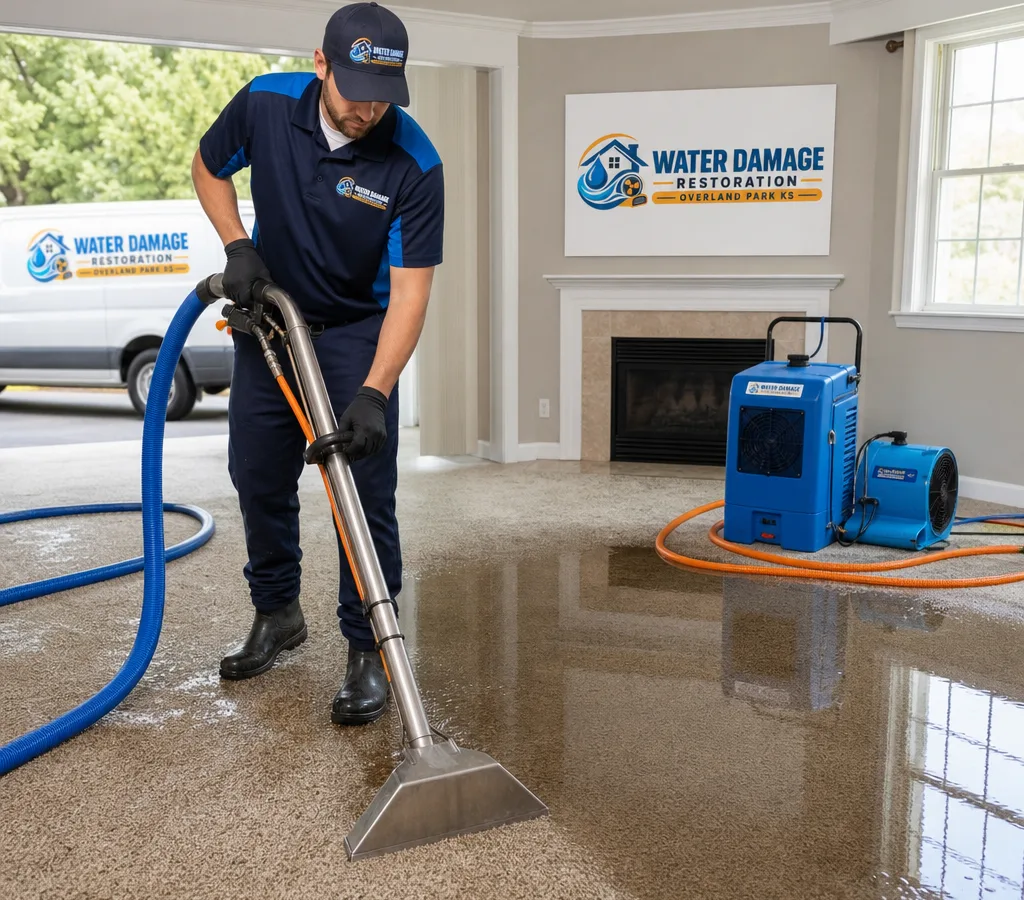
Overland Park water cleanup and drying
Fast response for water cleanup, structural drying, and restoration work that protects your home and limits secondary damage like warping, odors, and mold.
The right first response
When water gets into flooring, drywall, or cabinets, the clock matters. Our team focuses on the essentials of water damage restoration in Overland Park, KS: stop the spread, remove standing water, dry the structure, and document what was affected.
We start by identifying the source category—clean water, gray water, or contaminated water—and the materials involved. The plan changes depending on whether we are dealing with a supply line leak, an appliance overflow, or water that has contacted soil or drains.
From there, we build a drying strategy that matches the space, using professional extraction, air movement, and dehumidification to pull moisture out of porous materials and reduce the risk of hidden damage behind baseboards and under flooring.
If you are working with an insurance claim, we can provide clear notes and photos of impacted areas and the work performed so you have a paper trail of what happened and what was required to restore the home.
Related restoration services
Containment, negative air, removal of affected materials when needed, and detailed cleaning to address active mold growth and help prevent it from returning.
Targeted cleanup for visible mold on building materials and contents, with an emphasis on safe removal methods and proper disposal practices.
Repairs after drying, such as replacing damaged drywall, baseboards, trim, and other materials that could not be saved.
Cleanup and drying work designed to stabilize the property after a water event and move it toward full restoration.
Orderly restoration work
We remove standing water quickly and stage drying equipment so moisture is not left migrating into adjacent rooms.
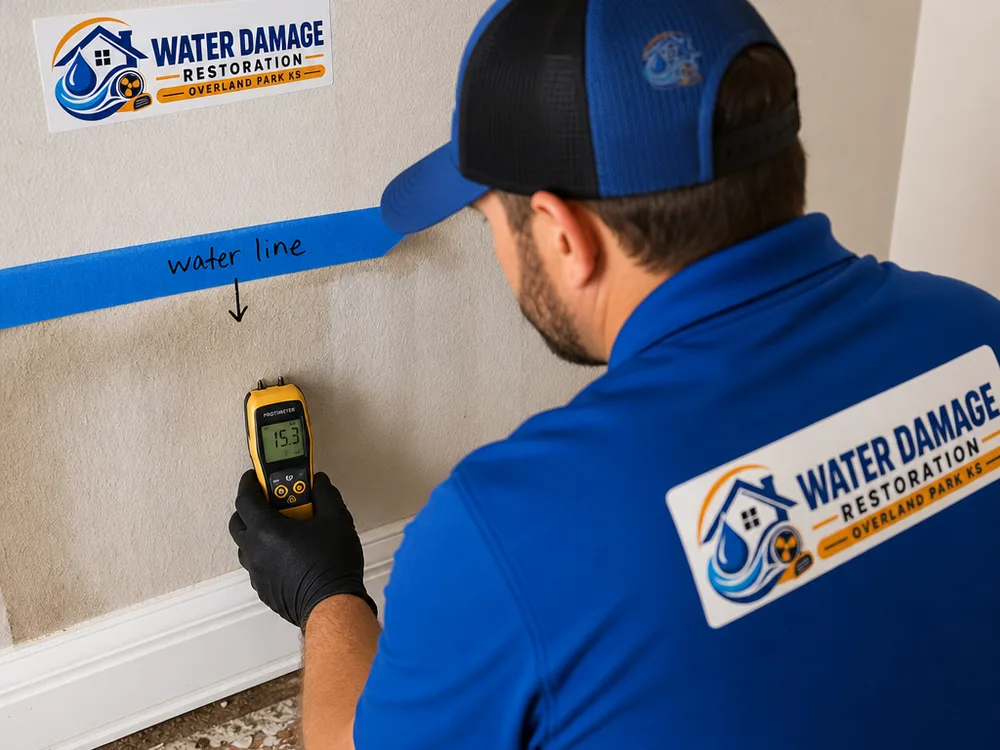
Drying is guided by readings from affected materials so the plan is based on conditions, not guesswork.
We help protect salvageable belongings and finish surfaces while work is underway, including careful moves within the home when needed.
When demo is required, we isolate the work zone to keep dust and debris limited to the affected areas.
You get a written description of what is affected, what will be done next, and what decisions you may need to make.
Focused local restoration
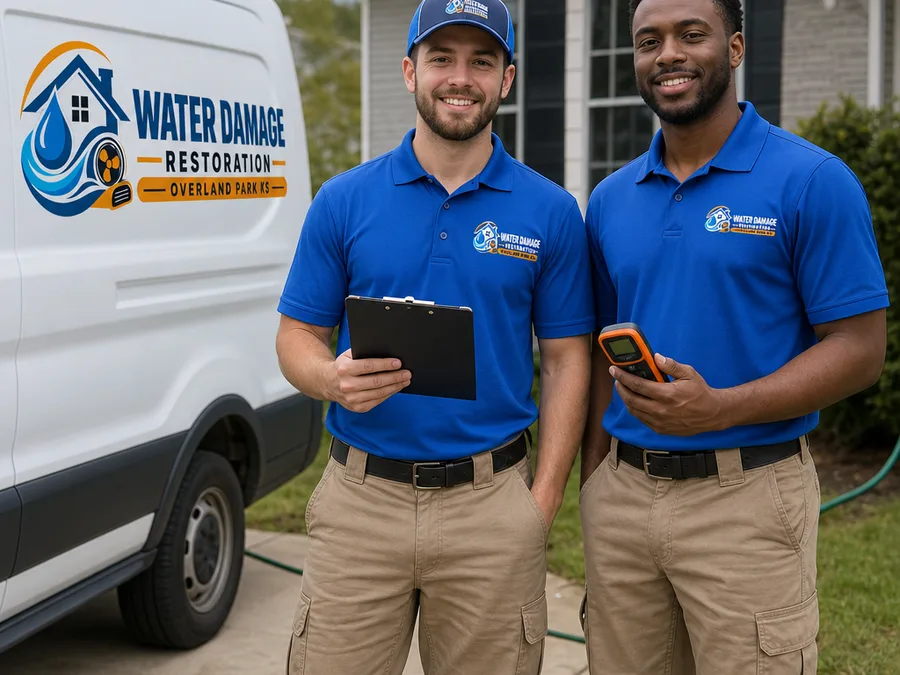
Water Damage Restoration Overland Park KS is a local restoration team focused on one thing: getting homes and small commercial spaces in Overland Park back to a safe, dry, usable condition after leaks, overflows, and water intrusion.
We take a practical approach. First we stabilize the situation with extraction and drying. Then we confirm moisture levels in the structure so you are not rebuilding over damp materials. If portions of drywall, insulation, or flooring are not salvageable, we explain why and outline the next steps.
You will always know what we found, what we are doing, and what needs to happen to finish the job. If you are dealing with an insurance adjuster, we can support the process with documentation that matches the work performed on site.
Practical cost guidance
Water damage restoration in Overland Park typically ranges from about $1,200 to $6,500 for common residential losses. A smaller, localized leak with straightforward drying often lands around $1,200 to $2,500, while a multi-room event that requires removal of wet materials and extended drying commonly runs $3,000 to $6,500+.
Final pricing depends on how far water traveled, which materials are affected—drywall, insulation, or hardwood—the water category, equipment days needed, and access to the wet areas. The exact cost is confirmed after an on-site inspection and moisture readings.
We identify the source, categorize the water, and check adjacent rooms and cavities to see where moisture traveled.
We remove bulk water from floors, carpets, and affected areas to reduce drying time and limit damage spread.
If materials cannot be dried safely or effectively, we remove them in a controlled way and document what was taken out.
Air movers and dehumidifiers are placed to match the layout and materials, then adjusted as conditions change.
We track progress with moisture readings and provide clear documentation so you know when the structure is ready for repairs.
If you have wet drywall, soaked carpet, or water under flooring, getting professional drying started early can prevent swelling, staining, and secondary damage.
Call for Emergency HelpLocal property knowledge
We work across Overland Park, with water damage issues that vary by home style, age, and lot conditions in different parts of the city.
Request Emergency Service“We found water under the flooring and they were able to explain what needed to be dried and why. The updates were clear, and the drying plan actually matched what was happening in the house.”
“They documented everything for our claim and kept the work area clean while equipment was running. The moisture checks gave us confidence the walls were ready for repairs.”
“After an overflow, they extracted water the same day and set up drying in a way that did not block the whole house. Communication was straightforward from start to finish.”
Practical answers
Response time depends on current conditions, but we prioritize active leaks, standing water, and situations where flooring or drywall is saturated. When you reach out, we will ask a few quick questions about the source and affected areas so we can arrive prepared with the right extraction and drying equipment.
Yes, the core of water damage restoration is extraction plus structural drying. That includes removing standing water, setting dehumidification and air movement, and monitoring moisture levels until the structure is ready for the next phase.
Yes, we can provide job notes and photos that document affected rooms, moisture findings, equipment placement, and any necessary removal of materials. That documentation helps support what was required on site, whether the claim is ultimately approved or not.
In many cases, yes, especially for clean-water losses in a limited area, but it depends on the water category, the areas affected, and whether containment or removal of materials is required. We will walk through what spaces should be avoided and how to keep airflow and access safe during the drying period.
Stop the source if it is safe, and avoid using electrical outlets or rooms where water is present. If water is near a ceiling or wall cavity, keep the area clear because saturated materials can fail without much warning.
We use moisture readings on building materials and track the drying progress over time. Drying is complete when readings show the affected materials have returned to appropriate levels for the material type and the conditions inside the home.
Tell us what happened and what areas were affected. We will explain the next steps, inspect the damage, and outline a practical scope so you can move forward with confidence.