B
Basements and lower levels
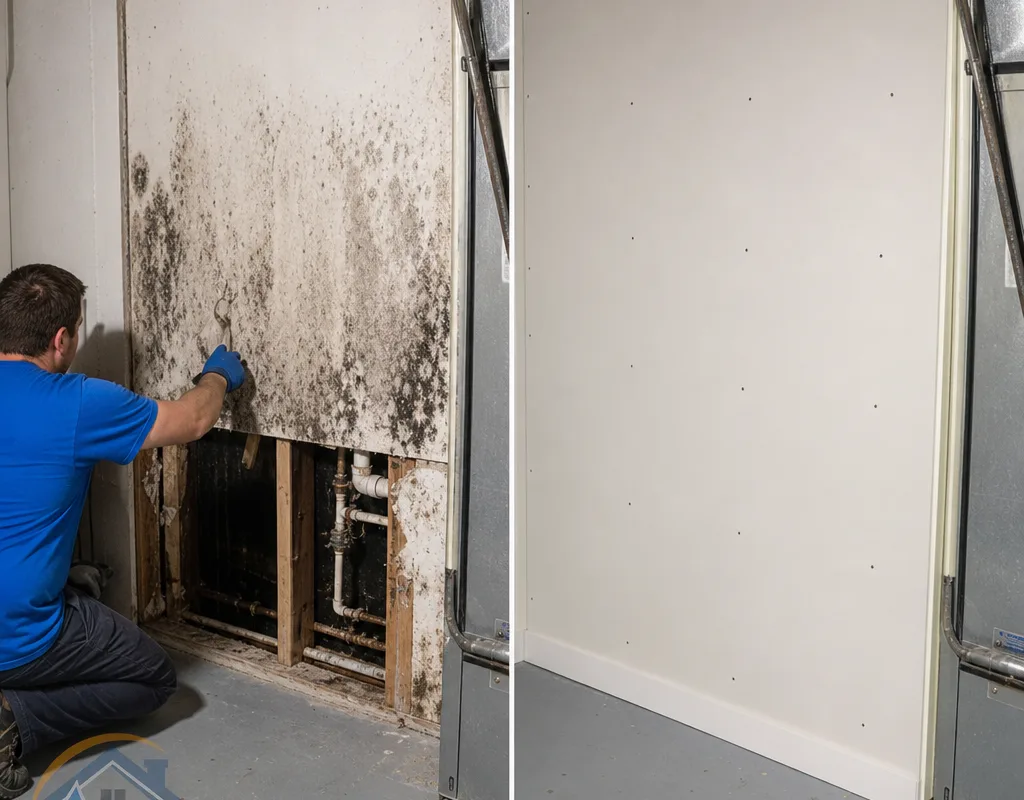
Mold in basements often traces back to seepage, humid air, or long-drying materials after a minor leak. The fix is removal plus moisture control, not paint or odor cover-ups.
Serving Overland Park, Kansas & surrounding areas
Mold removal · Overland Park, KS
If you see staining, smell a musty odor, or have had a recent leak, quick containment matters. Our certified technicians inspect, isolate the affected area, remove contaminated materials when needed, and restore the space so you can get back to normal with clear documentation.
Find the moisture first
Mold growth is a moisture problem first. In Overland Park homes and commercial spaces, it often follows a roof leak, plumbing seep, wet drywall behind cabinetry, HVAC condensation, or a damp basement corner that never fully dries. The tricky part is that the most active growth can be in wall cavities, under flooring, or above ceiling tiles long before you see a clear spot.
When you're searching for mold removal Overland Park, you're usually trying to answer three questions fast: is it actually mold and how far did it spread, can it be removed safely without cross-contamination, and what needs to be repaired so it doesn't return. We treat the job like a controlled cleanup project, not a surface wipe-down.
Water Damage Restoration Overland Park KS provides mold inspection, containment, removal, and restoration in Overland Park, KS 66210, with a focus on protecting occupied spaces during work and explaining what we find in plain language.
Controlled cleanup and restoration
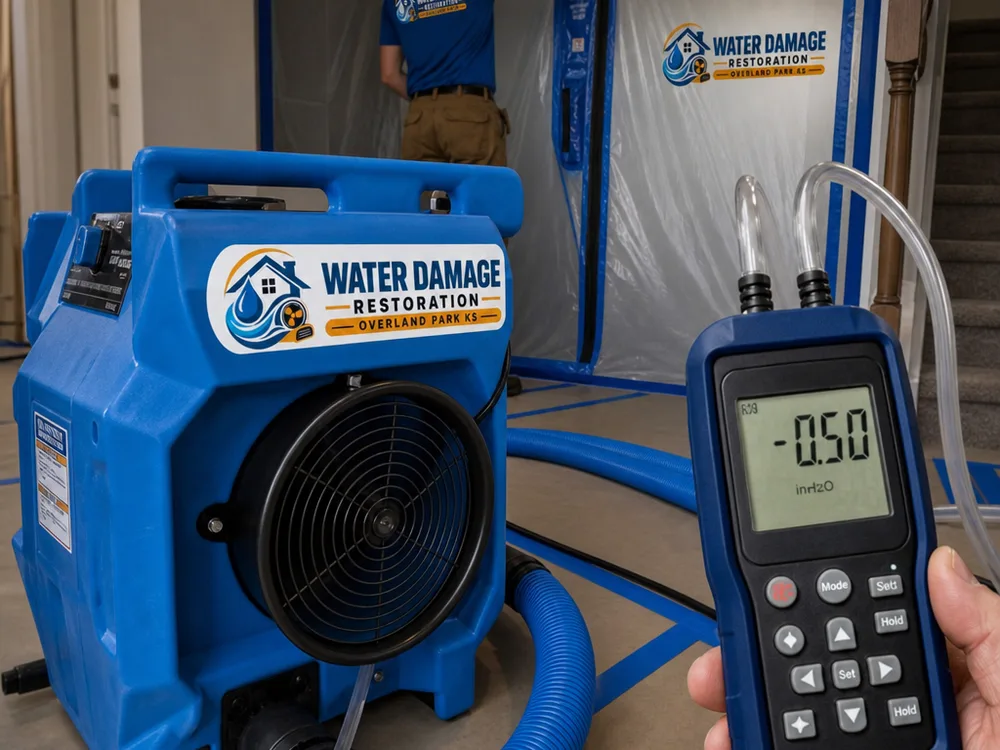
Safe mold remediation is a process with controls. The goal is to remove contamination and prevent spores from spreading to clean areas during demolition and cleaning.
Typical elements of a mold removal Overland Park KS project include:
If the mold followed a leak or flooding event, the underlying moisture issue must be addressed first. Many clients start by stabilizing the situation through water damage restoration so the structure can dry correctly before the final rebuild.
Common affected areas
Mold in basements often traces back to seepage, humid air, or long-drying materials after a minor leak. The fix is removal plus moisture control, not paint or odor cover-ups.
Recurring growth around tubs, showers, and laundry hookups can signal poor ventilation, failed caulk or grout, or a slow plumbing leak inside a wall.
Cabinet bases and drywall behind appliances can stay damp from small supply line leaks or drain issues. These areas spread quickly because airflow is limited.
Attic mold can follow roof leaks or condensation from inadequate ventilation. Proper remediation includes locating the moisture source, then cleaning or removing affected sheathing as needed.
In offices and retail, staining above ceiling tiles often indicates a roof or HVAC condensation issue. Containment matters because air handling can move particles throughout the space.
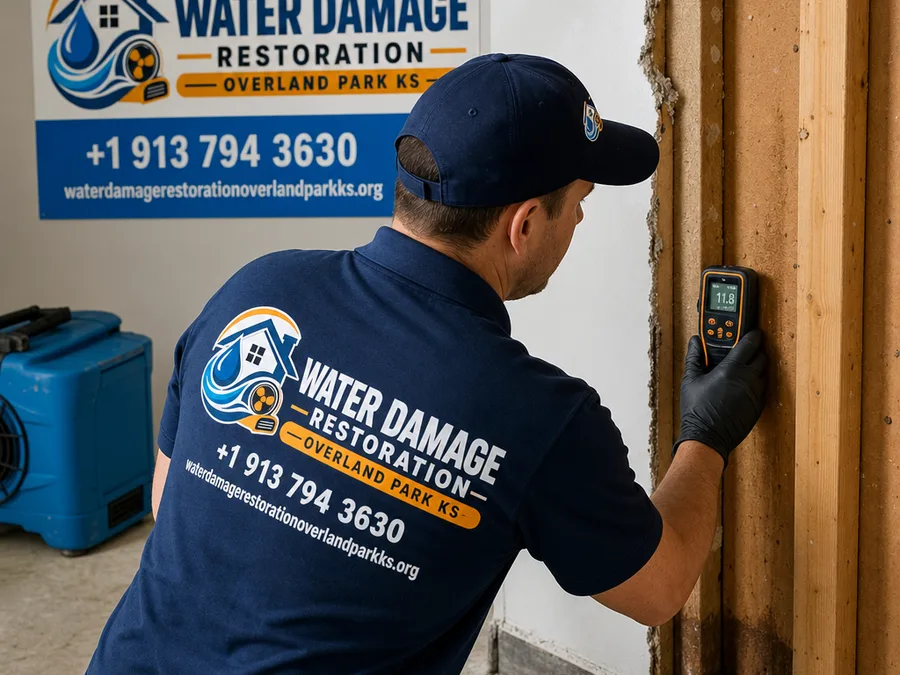
We inspect the visible growth and the surrounding materials where moisture likely traveled. You'll get a straightforward explanation of what's affected and what work is necessary versus optional.
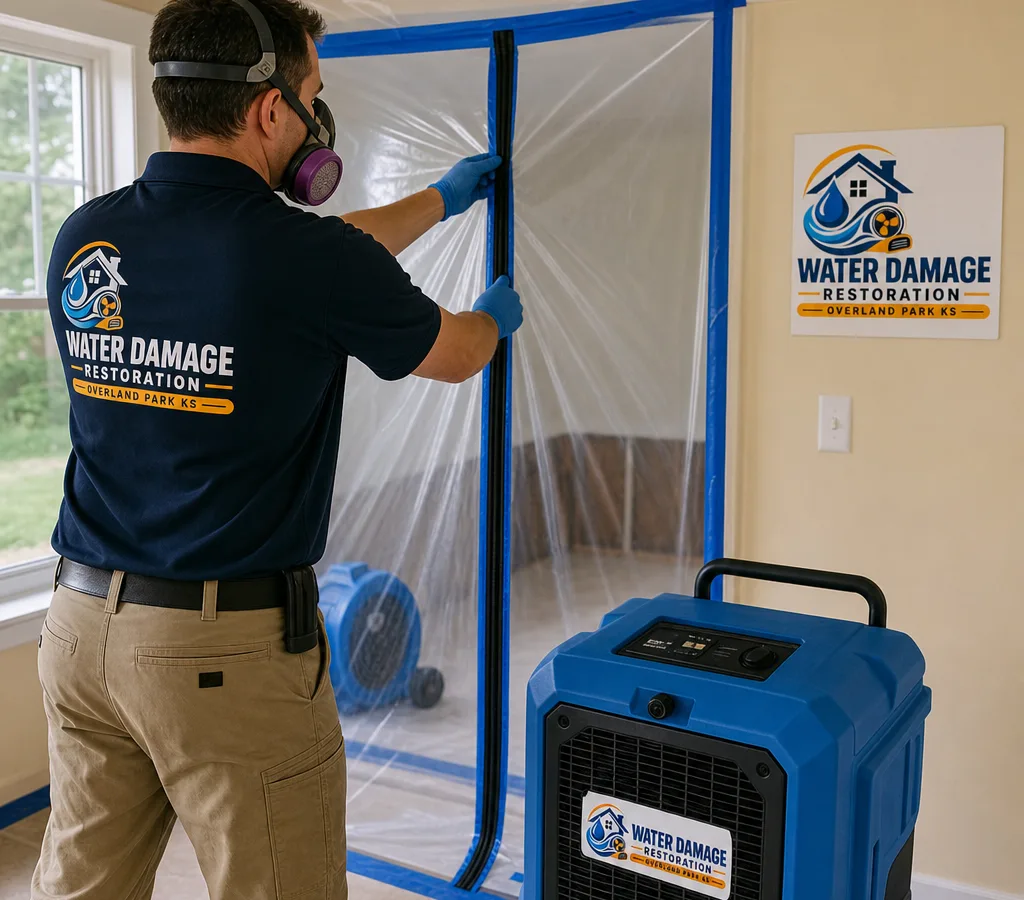
We isolate the work area with barriers and run HEPA-filtered negative air to reduce the chance of spores migrating to clean rooms, hallways, or adjacent suites.
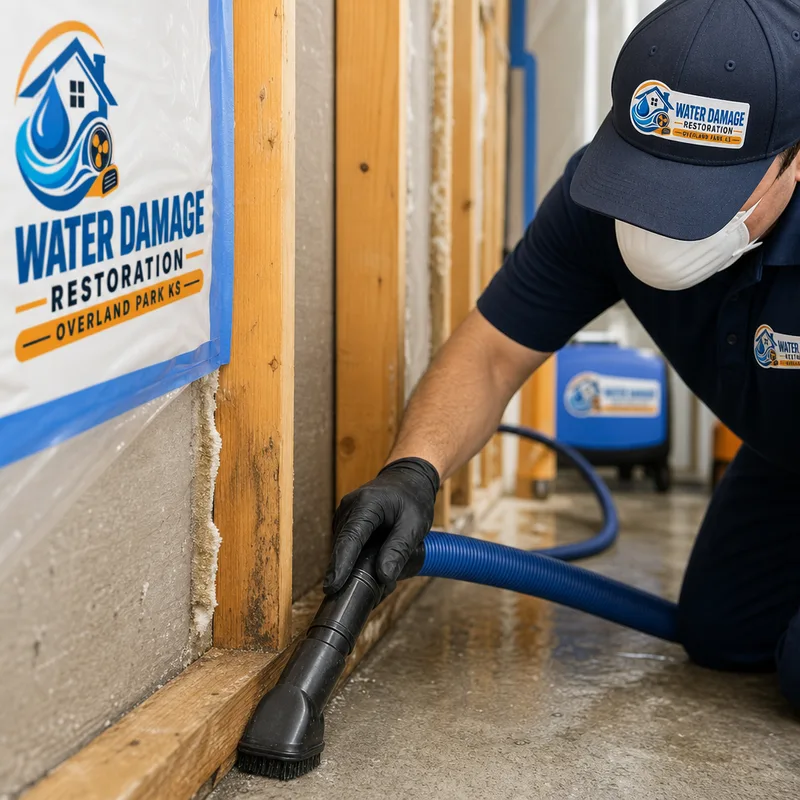
We remove contaminated porous materials when required, clean remaining structural surfaces with HEPA vacuuming and appropriate antimicrobial agents, and ensure the area is dry before reconstruction starts.
Once the area is clean and dry, we rebuild what was removed, including drywall, trim, and flooring transitions as needed, so the space is functional again.
We document the work and point out practical prevention steps, like correcting ventilation issues, addressing leaks, and keeping humidity in check in problem zones.
Practical cost guidance
Mold removal in Overland Park typically ranges from about $750 to $6,500+, depending on how much material is affected and how hard it is to access. A small, contained area with minimal demolition is usually at the low end, while multi-room contamination, attic or crawlspace work, or projects that require significant tear-out and rebuilding land higher.
Your final price is driven by the size of the impacted area, the amount of drywall, insulation, or flooring that must be removed, containment needs, drying time, and whether the moisture source needs repair. The exact cost is confirmed after an on-site inspection and written scope.
Customer experiences
“We had a musty smell that wouldn't go away and found mold behind the bathroom vanity. The crew contained the area, explained what had to be removed, and kept the rest of the house clean while they worked.”
“After a small leak in our office, we were worried about it spreading through the HVAC. They set up containment quickly and documented what they did, which helped us close out our internal report.”
Practical answers
Start time depends on current demand and the severity of the situation, but urgent jobs with active moisture or visible spread are prioritized for fast containment. The first step is an on-site assessment so we can isolate the area correctly and prevent cross-contamination while the cleanup and drying plan is put in place.
Many mold removal projects can be completed while you stay in the home, as long as the affected area can be fully contained and you can avoid the work zone. If the growth is widespread, involves critical pathways like main hallways, or affects bedrooms or bathrooms you rely on, temporary relocation can be the safer and more practical option.
Sometimes, yes, but only when contamination is limited to cleanable surfaces and the material is structurally sound and dry. If drywall, insulation, carpet pad, or other porous materials are moldy, removal is often the correct method because those materials are difficult to clean to an acceptable standard once growth is established.
Bleach may lighten staining on some hard surfaces, but it does not address hidden growth or the moisture source that caused the problem. Proper mold remediation focuses on containment, removal or cleaning with the right methods for the material, and drying so conditions no longer support regrowth.
Mold removal eliminates contaminated materials and cleans affected areas, while testing collects samples to identify or quantify spores. Many situations can be handled based on visible conditions and moisture findings, but testing can be useful when you need baseline documentation, when symptoms persist without visible mold, or when multiple potential sources are present.
We prevent spread by isolating the work area with containment barriers and maintaining negative air pressure using HEPA-filtered equipment. We also use controlled demolition, HEPA vacuuming, and careful material handling so debris and dust don't travel through the home or building.
Yes. Residential projects often involve bathrooms, basements, and kitchens, while commercial work commonly includes offices, retail spaces, and areas above ceiling tiles. The core approach stays the same: locate the moisture issue, contain the area, remove or clean impacted materials appropriately, and restore the space for safe use.
Tell us what you're seeing and where it's located. We'll schedule an inspection, explain what needs to happen for safe mold removal, and provide a written scope for cleanup and restoration.