W
Water extraction and removal
Rapid removal of standing water using professional extraction equipment, plus targeted removal from carpet, pad, and subfloor when salvageable.
Serving Overland Park, Kansas & surrounding areas
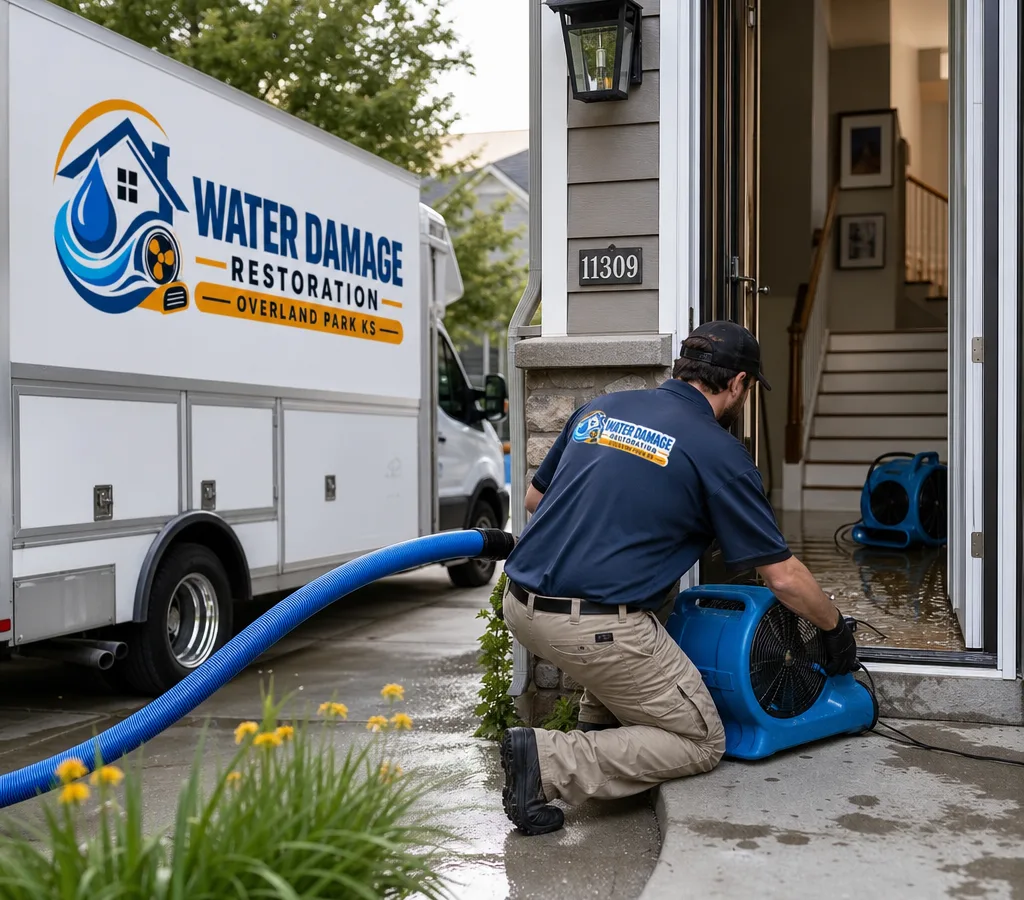
Water restoration · Overland Park, KS
Fast water extraction, structural drying, and clear documentation so you can stop the spread of damage and get your home or business back to normal.
Find every affected material
If you are searching for water restoration Overland Park, you are usually dealing with the same urgent problems: water that will not stop spreading, wet building materials that can trap moisture, and uncertainty about what comes next. Water Damage Restoration Overland Park KS focuses on the full restoration sequence: stop the source when possible, remove standing water, dry the structure to verified targets, and document conditions so decisions are based on readings, not guesswork.
Overland Park properties often mix newer construction with older finishes and finished basements. That matters because water behaves differently in carpet and pad, engineered wood, drywall, and insulation. A wet carpet might look fine on top while the pad and tack strips hold water. Drywall can wick moisture upward. Baseboards can hide saturated edges. Our approach is built around identifying where water traveled, opening up only what is necessary, and using the right drying setup—airflow, dehumidification, and temperature control—to reach dry standard.
When you reach out, you will get a practical plan: what we can do immediately, what needs monitoring over the next several days, and what materials are likely to be saved versus removed. For more about who we are as a local team, you can review Water Damage Restoration Overland Park KS.
Extraction through repair planning
Rapid removal of standing water using professional extraction equipment, plus targeted removal from carpet, pad, and subfloor when salvageable.
Air movers and dehumidifiers set up based on room volume and material load, with daily monitoring using moisture meters to confirm drying progress.
Selective removal of wet drywall, trim, or flooring only where moisture is trapped, so the remaining structure can dry properly.
Cleaning of affected surfaces and contents as appropriate, plus deodorization steps when water sat long enough to create musty odors.
Photos, moisture readings, equipment logs, and a clear scope so you can coordinate repairs and communicate with your insurance adjuster if applicable.
A practical path from drying to repairs, including what can be reinstalled and what should wait until moisture targets are met.
Follow the water’s path
Water losses usually fit into a few patterns, and the pattern determines the best restoration strategy.
No matter the cause, the goal is the same: remove water, dry to an appropriate standard, and leave you with a clear record of what was affected and what was done.
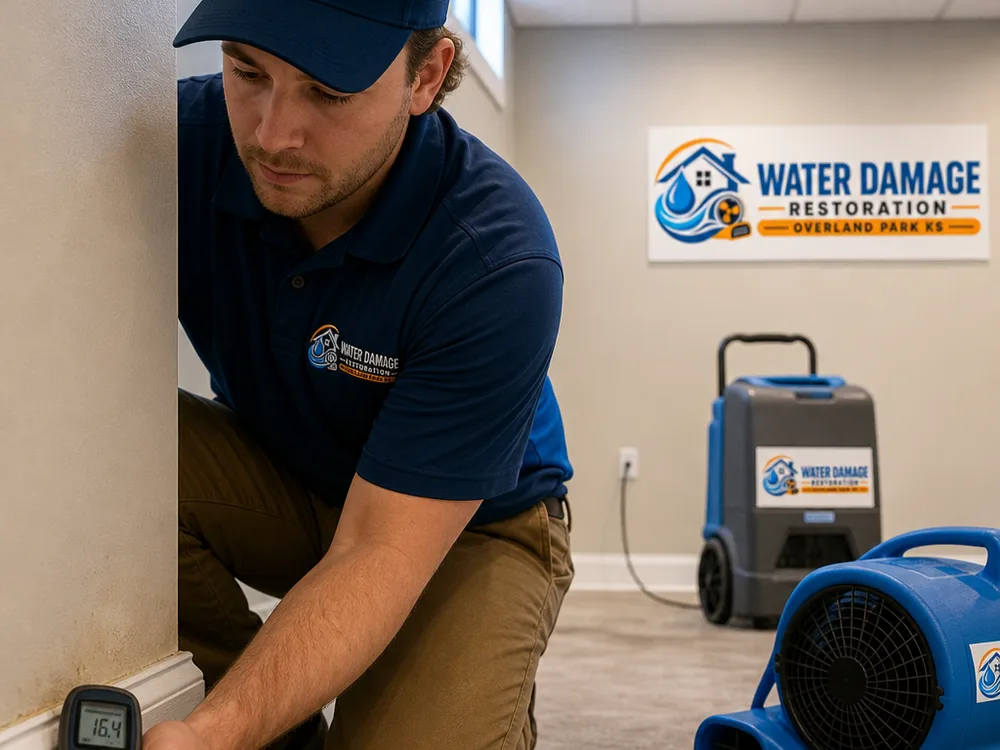
We inspect the source and the affected materials, then map moisture in floors and walls to see how far water traveled. This guides the drying plan and helps avoid leaving wet pockets behind cabinets or inside cavities.
We remove standing water and stabilize the environment. That includes moving affected contents when needed and setting the space up so drying can begin immediately.
We place air movers to push air across wet surfaces and use dehumidifiers to pull moisture from the air. Equipment choice and placement are based on the structure and the amount of wet material, not a one-size layout.
If materials cannot dry in place, we remove only what is necessary to expose wet framing or subfloor. This is often the difference between a short drying cycle and a lingering moisture problem.
We track moisture readings and adjust equipment as needed. You get straightforward updates on what is drying, what is next, and what repairs should wait until targets are met.
When readings confirm drying is complete, we provide a clear closeout summary and help you plan the repair phase, whether you are coordinating with a contractor or managing the work directly.
Practical cost guidance
Most water restoration jobs in Overland Park typically range from about $1,200 to $6,500+, depending on how much area is wet and how long materials were exposed. A small, clean-water loss in one room is often at the lower end, while a finished basement with saturated carpet, drywall, and contents runs higher.
Final cost depends on moisture spread—how many rooms and how far into walls—water category or contamination level, access, demolition needs, drying days and equipment, and whether materials can be saved. The exact price is confirmed after an on-site inspection and moisture mapping.
If you have water in a basement, ceiling, or behind walls, the fastest way to limit repairs is to start extraction and structural drying early, then verify progress with moisture readings.
Call for Emergency HelpCustomer experiences
“We had water run across the main floor and down into the basement. They explained what could be dried in place, what had to come out, and they checked moisture readings each day until it was actually dry. That made the repair part much easier.”
“The big difference was documentation. Photos and readings were organized, and the plan was clear from day one. The drying equipment was loud but they placed it so we could still live in the house.”
Practical answers
Water restoration should start as soon as it is safe to enter the area because moisture moves quickly into drywall, trim, and subfloors. Early extraction and dehumidification reduce how far moisture migrates and can lower the amount of material that must be removed. If you can safely stop the source with a shutoff valve and avoid using electrical outlets in wet areas, that helps while you arrange service.
Structural drying commonly takes about 3 to 5 days, but the real driver is moisture content in the specific materials, not the calendar. Dense materials, layered assemblies such as tile over backer, and water trapped behind cabinets can extend drying time. Daily moisture readings are the reliable way to confirm when the structure is ready for repairs.
Sometimes, but it depends on how high the water wicked, how long it sat, and the water category. Drywall and insulation can hold moisture where you cannot see it, which can lead to odor and microbial growth. We check with meters and, when needed, open small inspection points to confirm whether drying in place is realistic.
If it is safe, stop the water source, shut down the HVAC if it is pulling humid air through the system, and move valuables and electronics out of the affected area. Avoid running household fans if water may be contaminated or if there is a risk of spreading moisture into unaffected rooms. Taking a few photos of visible damage can also help with documentation.
Yes, we can provide the documentation insurers typically request, including photos, moisture readings, and a written scope of work. Coverage depends on your policy and the cause of loss, so we focus on making the restoration work clear and well-documented so you can coordinate with your adjuster efficiently.
A property is considered dry when moisture readings in affected materials return to appropriate targets compared to unaffected areas of the structure. We use professional moisture meters and track readings over time, adjusting equipment as needed. Visual appearance alone is not reliable, especially with wet subfloors or wall cavities.
Tell us what happened and what areas are wet. We will respond with a clear plan for extraction, drying, and documentation so you can limit damage and move toward repairs with confidence.